
A COLLECTIVE FOR LIFE
Every beat.
Worth keeping.
Giving the next generation
the confidence to step forward.
INDONESIA
A little knowledge.
A lot of possibility.
Being ready to help starts with believing you can.
We’re Beatkeepers Collective. We bring CPR and AED awareness to high school students across Indonesia, turning a life-saving skill into something people can understand, practise, and share.
See learning in actionstudents reached
schools across Indonesia
One shared belief:
more people ready to help.
Confidence comes
from trying.
Ask the question. Take your turn.
Learn together. That’s where it starts.
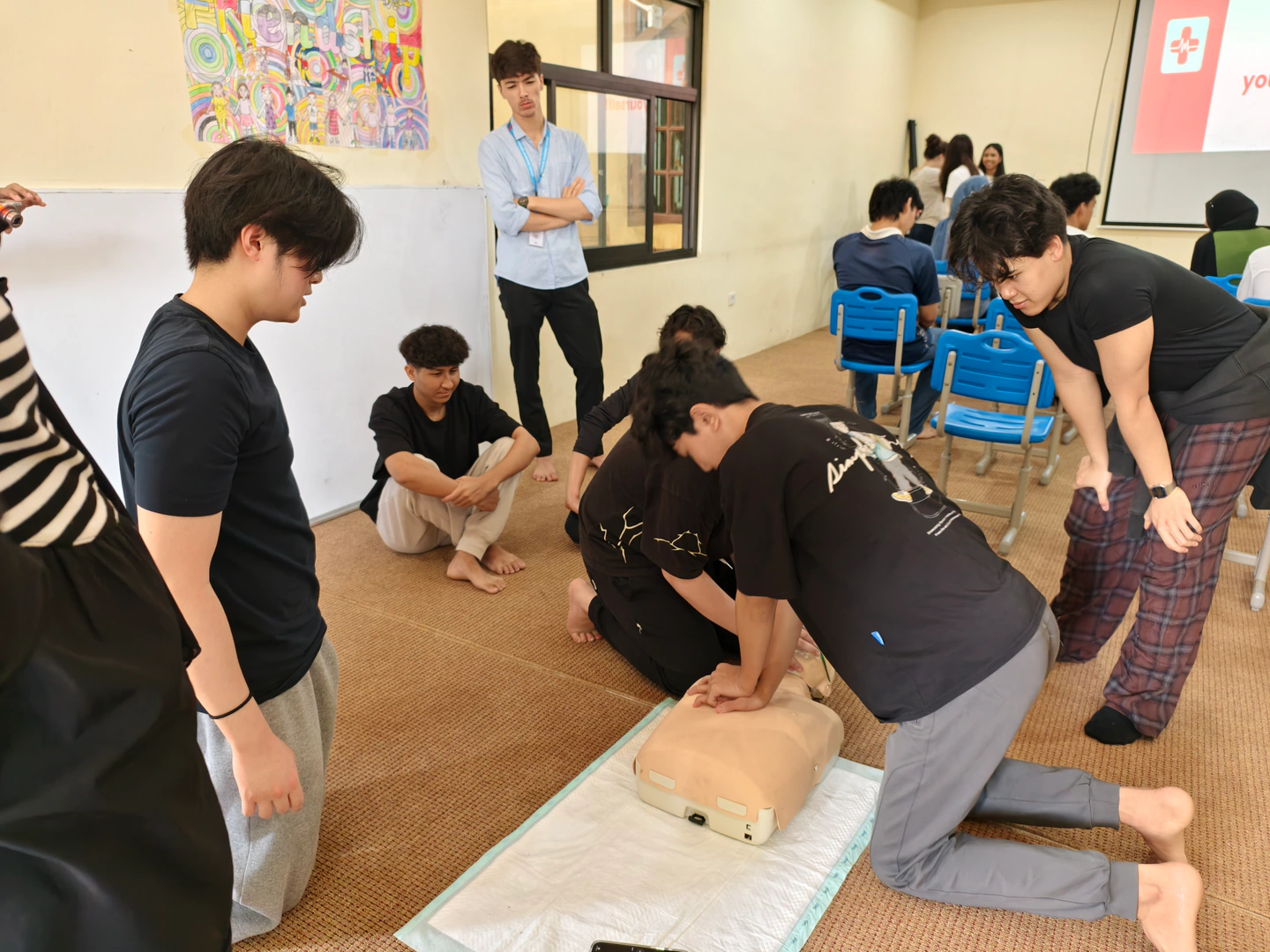
From “what if?” to “I can.”
With a manikin, guidance, and space to ask questions, CPR becomes something you can practise.
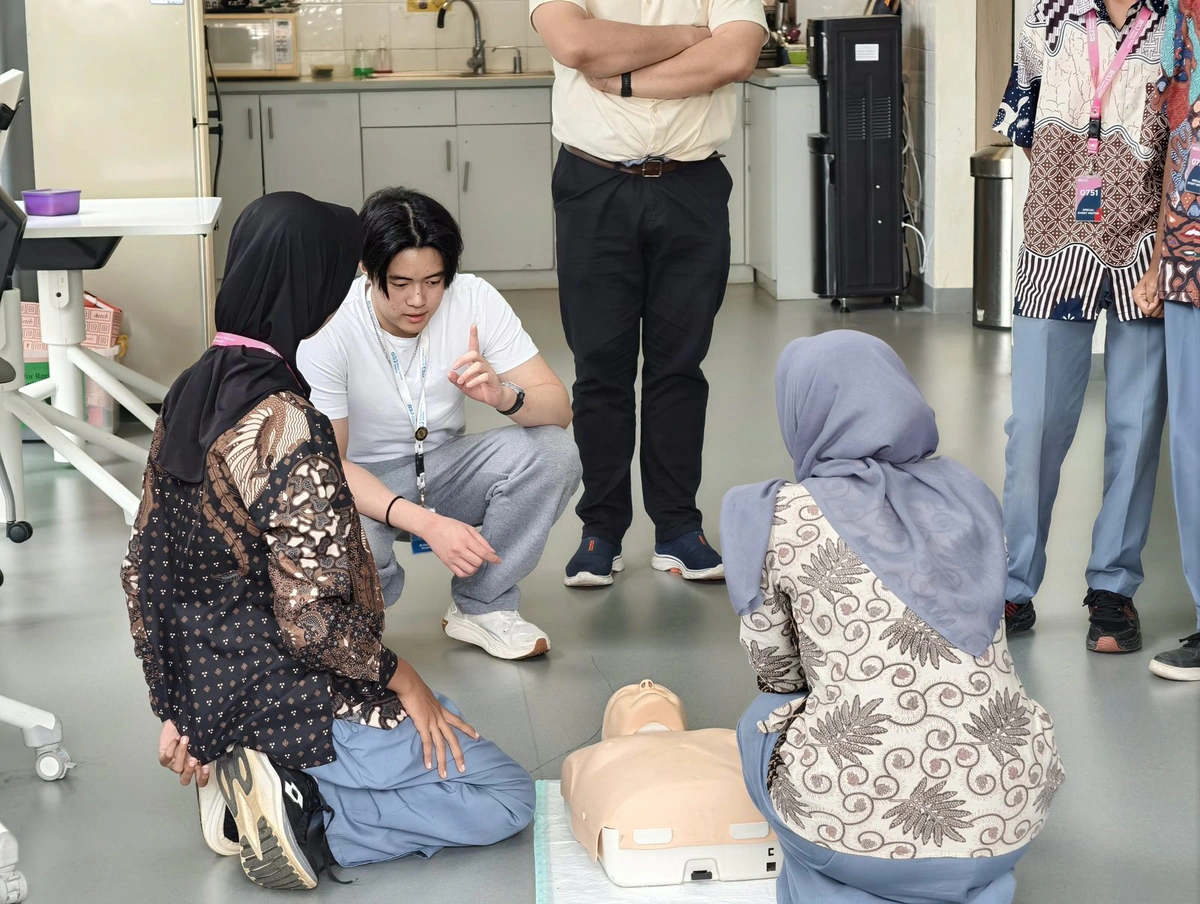
A skill worth passing on.
Each workshop is a chance to learn, build confidence, and bring the conversation back to your school.
Make your school part of the story.
MEET TOWN RESCUE
Small town.
Big decisions.
One more way
to learn.
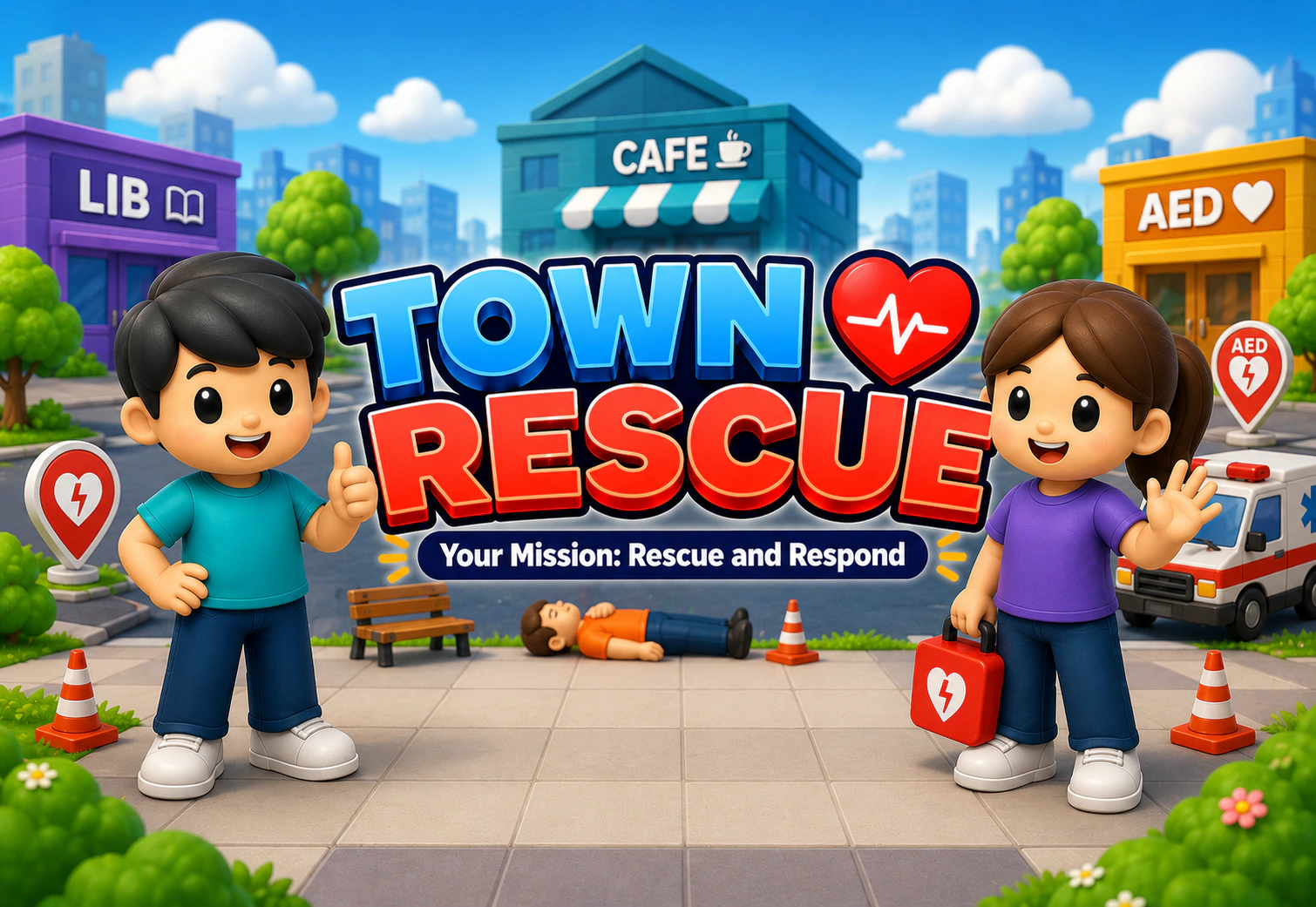
Step into a town where your choices matter. Our CPR and AED learning game gives you a way to revisit what you’ve learned, one scenario at a time.
Play Town RescueAn educational companion to hands-on CPR training.
It starts with one.
It grows with us.
Founded by Russell Young, a student at the British School Jakarta, Beatkeepers brings young people together around a simple idea: more students should feel ready to help.
From our first conversation to the next workshop, it’s the people who make this a collective. The ones who show up. The ones who try. The ones who pass it on.
Let’s keep
the beat going.
Bring a workshop to your school.
Share an idea. Be part of the collective.